
Stop Moisture Before It Damages Flooring
Moisture Vapor Mitigation Systems in Sarasota
If you live in Sarasota, you already know that humidity doesn't just hang in the air. It moves through your concrete slab, bringing moisture vapor up through the pores and into whatever coating sits on top. When that vapor gets trapped under a garage or interior floor coating, it creates pressure that leads to bubbling, peeling, and complete coating failure within months.
A moisture vapor mitigation system is installed directly onto the concrete before your floor coating goes down. It creates a breathable barrier that allows moisture to move without building pressure, so your coating stays bonded and performs the way it should. Sarasota Polyaspartic Garage Floors evaluates your slab on-site to measure moisture levels and determine whether mitigation is needed before any floor system is installed. This step is critical in Florida, where high humidity and moisture-prone concrete are the norm.
Request a moisture assessment to find out what your slab needs before you commit to a coating.
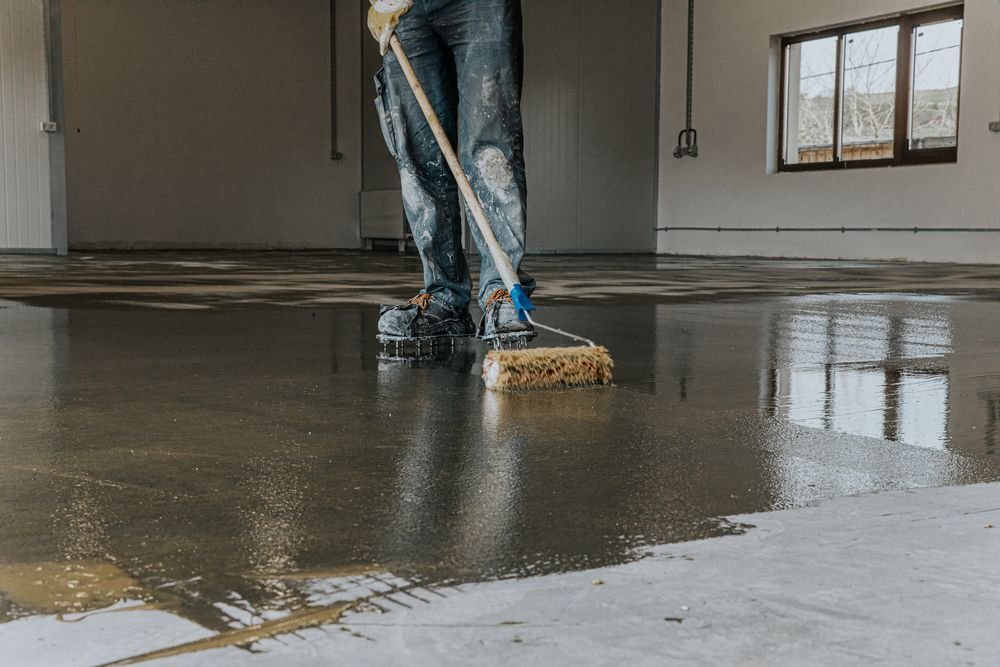
How the System Prevents Coating Failure
The mitigation system is applied as a primer layer after your concrete is ground and cleaned. In Sarasota, this step addresses the reality that even newer concrete can release vapor due to groundwater, seasonal rain, and constant humidity. The product is designed to bond directly to the slab and tolerate moisture movement without breaking down.
Once the mitigation layer cures, your polyaspartic or polyurea topcoat is applied over it. You won't see bubbles forming under the surface, and you won't need to strip and recoat the floor a year later because moisture caused the bond to fail. The system extends the lifespan of your garage, interior, or commercial floor by addressing the root cause of most coating problems in humid climates.
This process is recommended after moisture testing confirms vapor transmission levels that exceed safe thresholds. It adds a day to the overall installation but removes the risk of premature failure. The mitigation layer becomes part of your permanent floor system and works continuously to manage moisture over time.
You're Not Sure If Your Slab Needs It
Most homeowners and business owners in Sarasota don't know their concrete has a moisture problem until a coating fails, so these questions come up often during evaluations.
Sarasota Polyaspartic Garage Floors includes moisture testing as part of every floor evaluation, so you know whether mitigation is necessary before work begins. Request a moisture assessment to protect your investment and avoid costly failures down the road.