
A Cost-Effective Option When Conditions Allow
Epoxy Floor Coatings in Sarasota
Not every floor in Sarasota needs the fastest cure time or the highest chemical resistance. If your garage or interior space has stable conditions, controlled humidity, and you can wait a few days before using the surface, a traditional epoxy floor coating may be the right fit. Epoxy gives you a smooth, easy-to-clean surface with optional decorative finishes at a lower cost than polyaspartic or polyurea systems.
Sarasota Polyaspartic Garage Floors installs epoxy flooring systems throughout Sarasota when the project and timeline are appropriate for the material. The coating is applied over professionally prepared concrete and requires controlled conditions and longer cure times compared to polyaspartic. It works well for garages, interiors, and select commercial environments where durability is important but rapid return to service is not required.
Learn whether epoxy or polyaspartic is right for you by scheduling a consultation to review your space and timeline.
When Epoxy Works and When It Does Not
Your concrete in Sarasota is prepared using the same diamond grinding process used for polyaspartic and polyurea systems. The surface is cleaned, profiled, and checked for moisture before the epoxy is mixed and applied. Because epoxy cures through a slower chemical reaction, temperature and humidity must be controlled during installation.
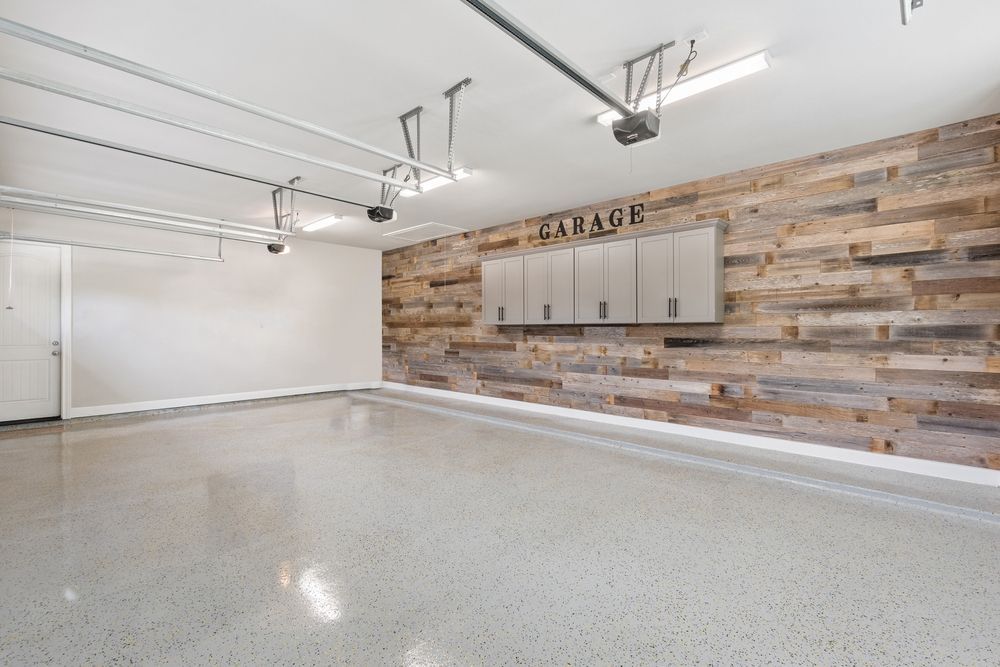
Once cured, the floor is smooth and sealed with a glossy or matte finish depending on your preference. You will notice that the surface is easier to sweep and mop, and spills do not soak into the concrete. Decorative flakes can be added for texture and visual interest, and the coating resists light chemicals and daily foot traffic.
Epoxy takes longer to cure than polyaspartic, often requiring several days before the floor is ready for vehicle traffic or heavy use. It is also more prone to hot tire pickup in high-heat environments and can yellow under direct UV exposure. For these reasons, epoxy is typically not recommended for outdoor areas or garages that see intense summer heat. It works best in climate-controlled interiors or garages that are shaded and ventilated.
Deciding Between Epoxy and Faster-Curing Systems
Homeowners often want to know when epoxy is the better choice, how it compares to polyaspartic, and what the tradeoffs are for cost and cure time.
Sarasota Polyaspartic Garage Floors installs epoxy flooring systems throughout Sarasota when the project fits the material and timeline. Learn whether epoxy or polyaspartic is right for you by reaching out to discuss your space and use case.